








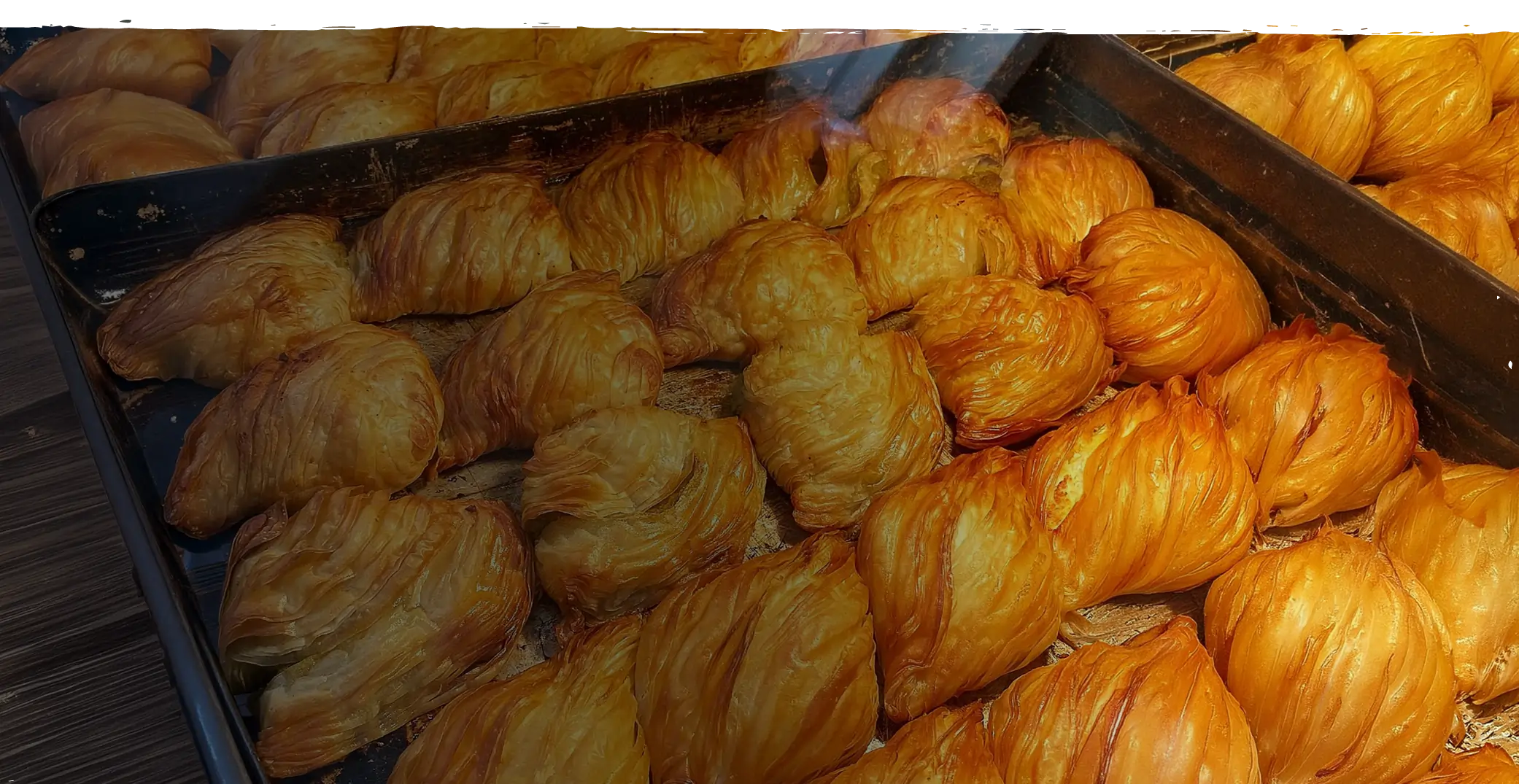
Malta's ultimate flaky street food features diamond-shaped pastry pockets stuffed with savory ricotta or spiced mushy peas, best enjoyed piping hot straight from a paper bag. You can grab them for loose change at any neighborhood pastizzerija (like Maxims or Sphinx), but for the ultimate experience, head to Crystal Palace (Is-Serkin) in Rabat, which bakes them fresh around the clock.
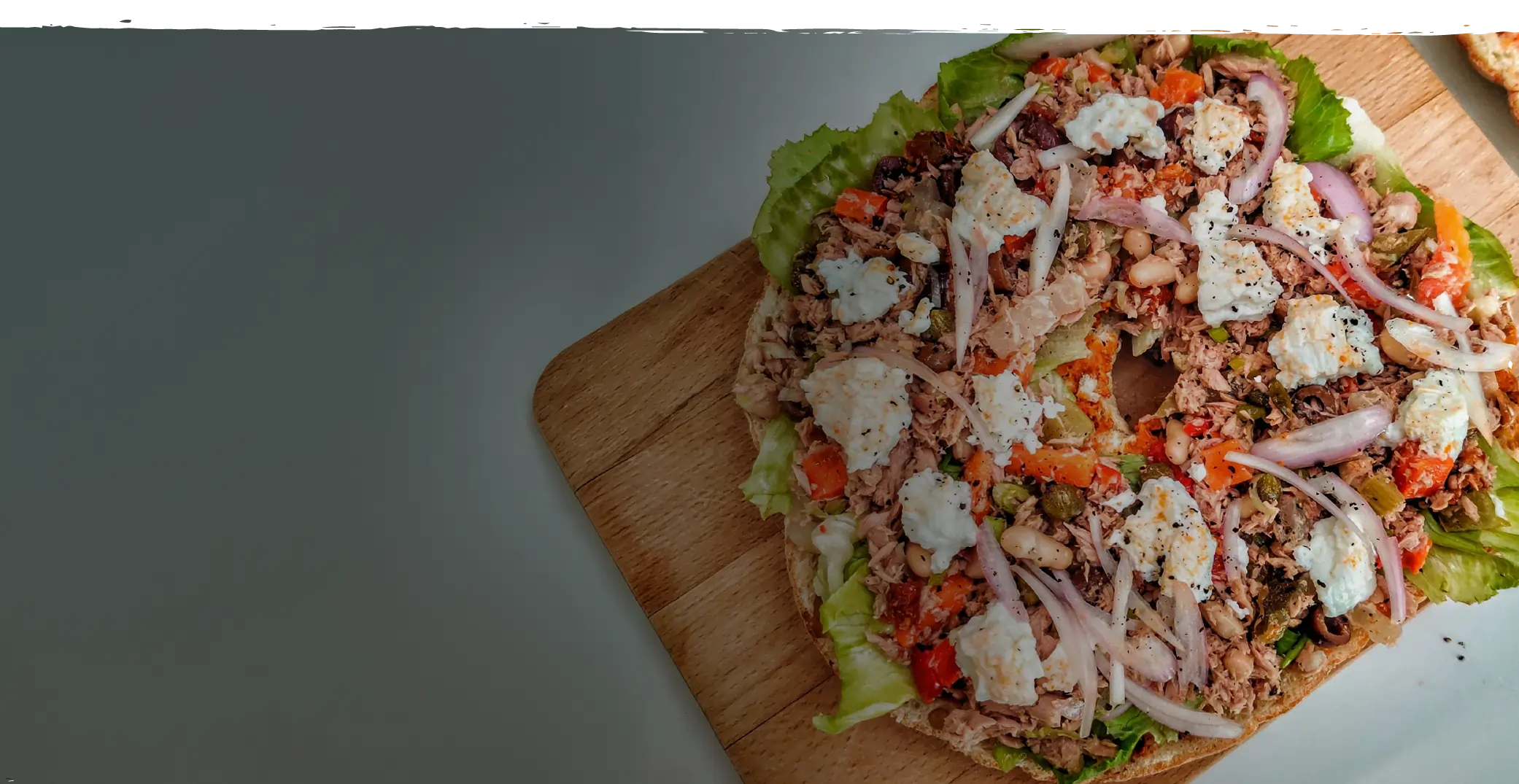
This iconic ring-shaped, thick-crusted sourdough bread is traditionally rubbed with sweet tomato paste, drenched in olive oil, and packed with tuna, capers, and olives for that taste of a Maltese summer lunch. You can order it at local village band clubs and seaside kiosks. If you cross over to Gozo to try the famous wood-fired, pizza-style version at Maxokk Bakery or Mekren Bakery in Nadur.
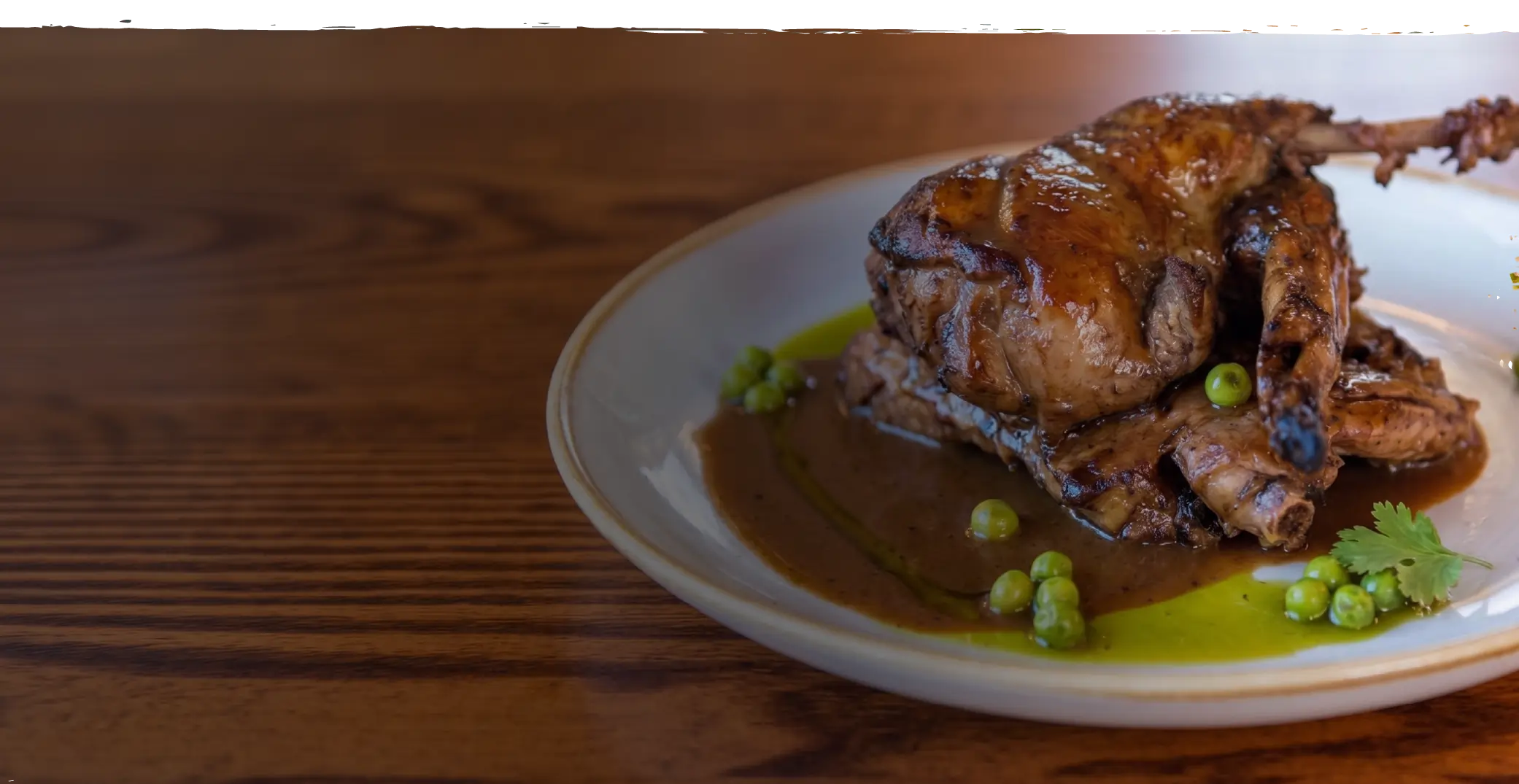
The rich and deeply comforting national dish of Malta consists of a slow-cooked rabbit stew, simmered for hours in a red wine, garlic, and tomato sauce until the tender meat pulls completely off the bone. To experience an authentic, no-frills "Fenkata" (rabbit feast), head straight to the rural town of Mġarr and grab a table at legendary local spots like Il-Barri or Ta' L-Ingliż.
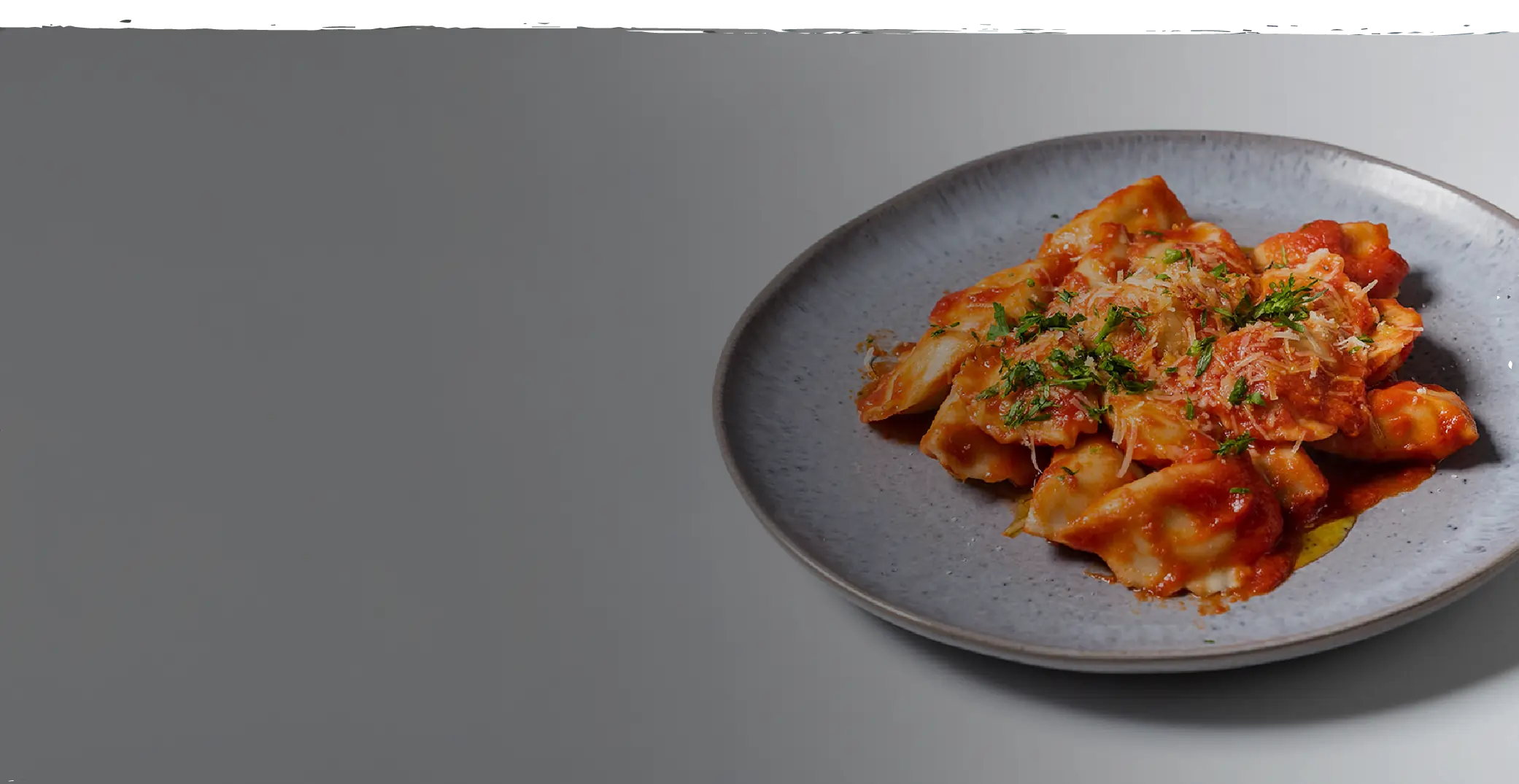
Large pockets of fresh pasta generously stuffed with local sheep's milk ricotta and mint, traditionally served swimming in a rich, garlic-infused tomato sauce. This comforting staple is readily available on the starter menu of almost any traditional restaurant in Valletta or Mdina, and can also be bought fresh or frozen to cook at home from local pasta makers.
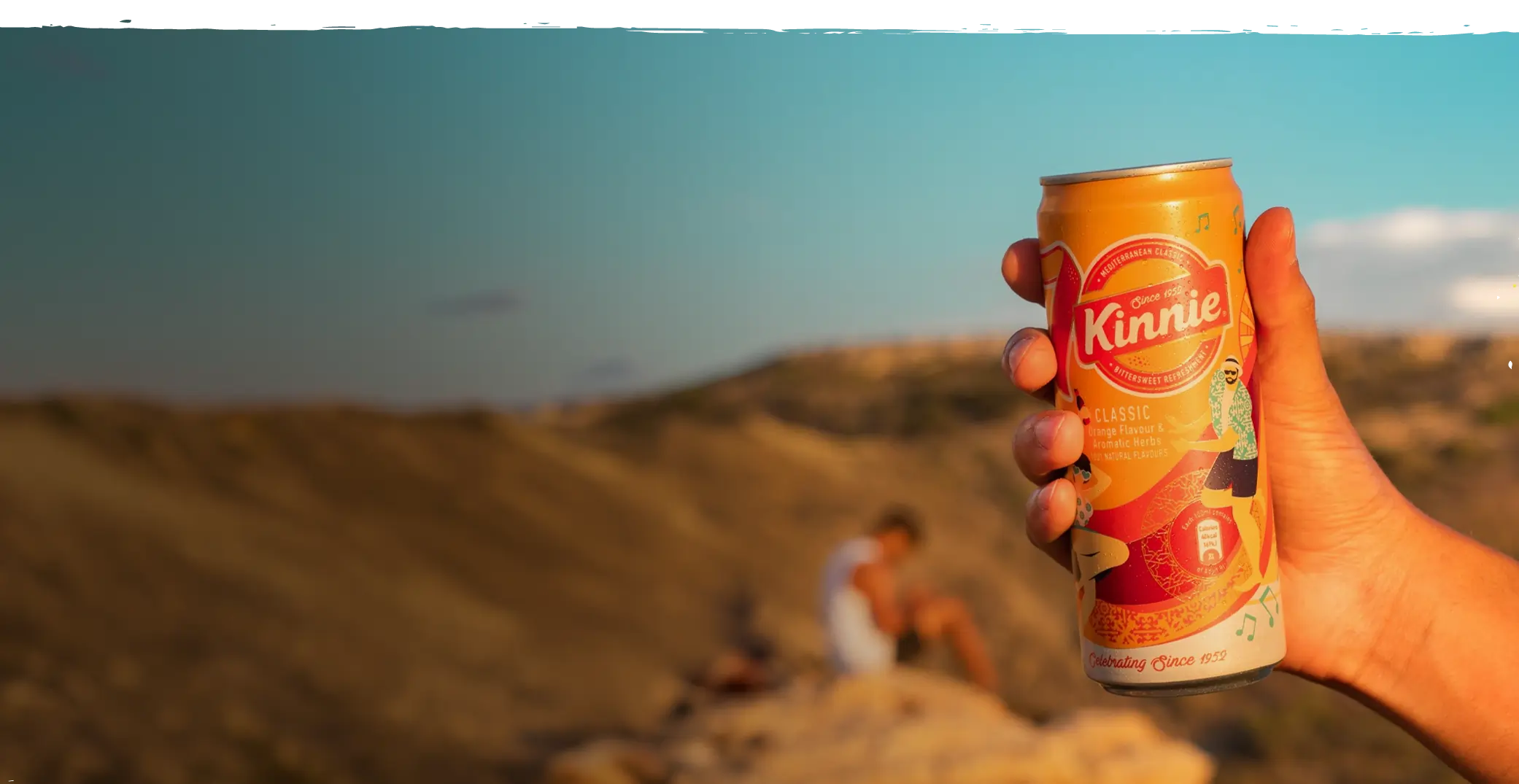
This completely unique, bittersweet national soft drink is made from Mediterranean chinotto oranges and a secret blend of aromatic herbs, tasting like a refreshing, non-alcoholic twist on an Italian Aperol. It is a staple of Maltese culture and can be bought absolutely everywhere across the archipelago, from high-end Valletta restaurants and beach bars to tiny village grocery shops and vending machines.
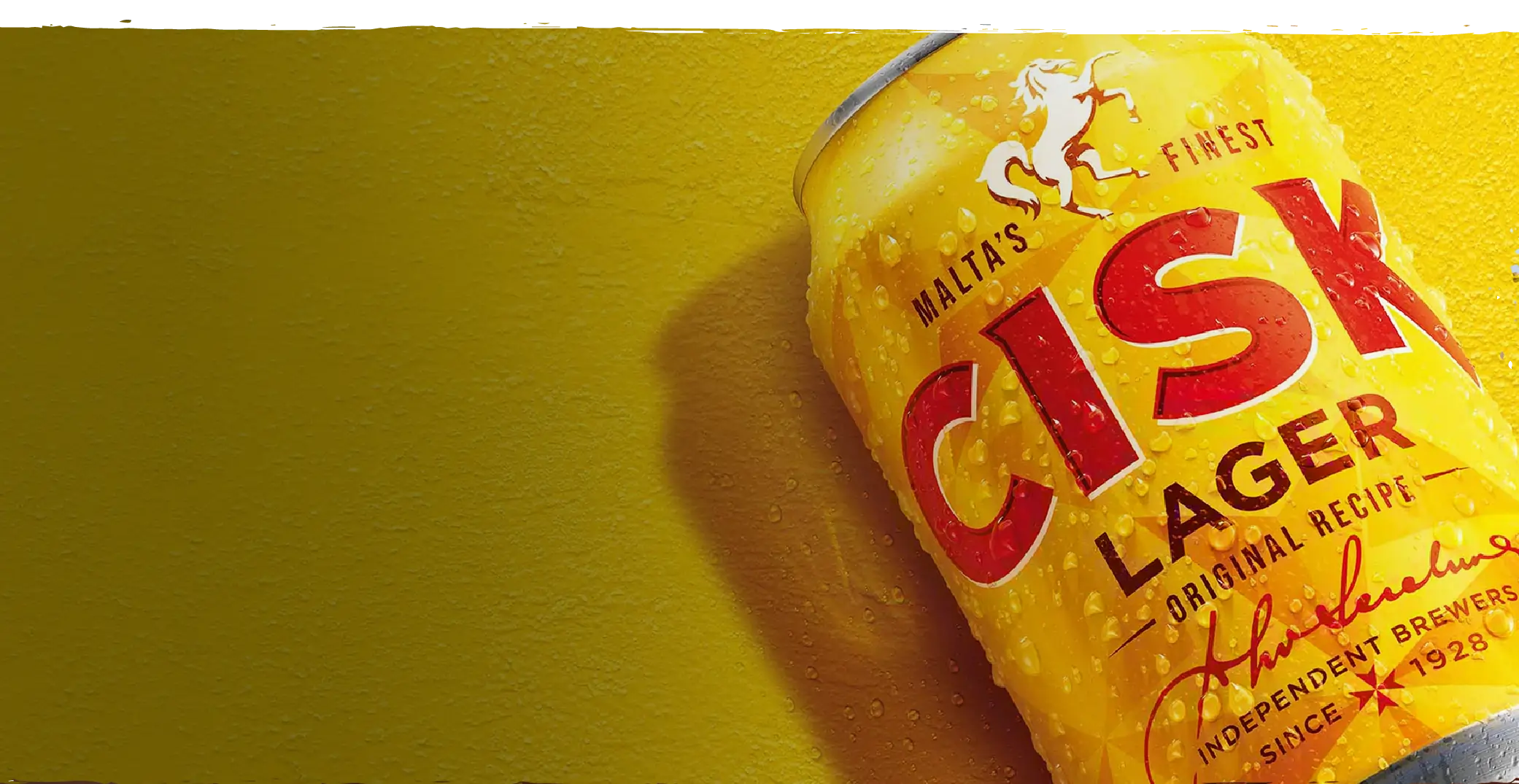
The undisputed king of Maltese beers is a golden lager brewed on the island since 1929, loved for its crisp, refreshing taste that pairs perfectly with a warm evening by the Mediterranean Sea. It is available at literally every pub, beach kiosk, restaurant, or corner store on the island, just pull up a chair at any waterfront bar and ask for a "cold Cisk."
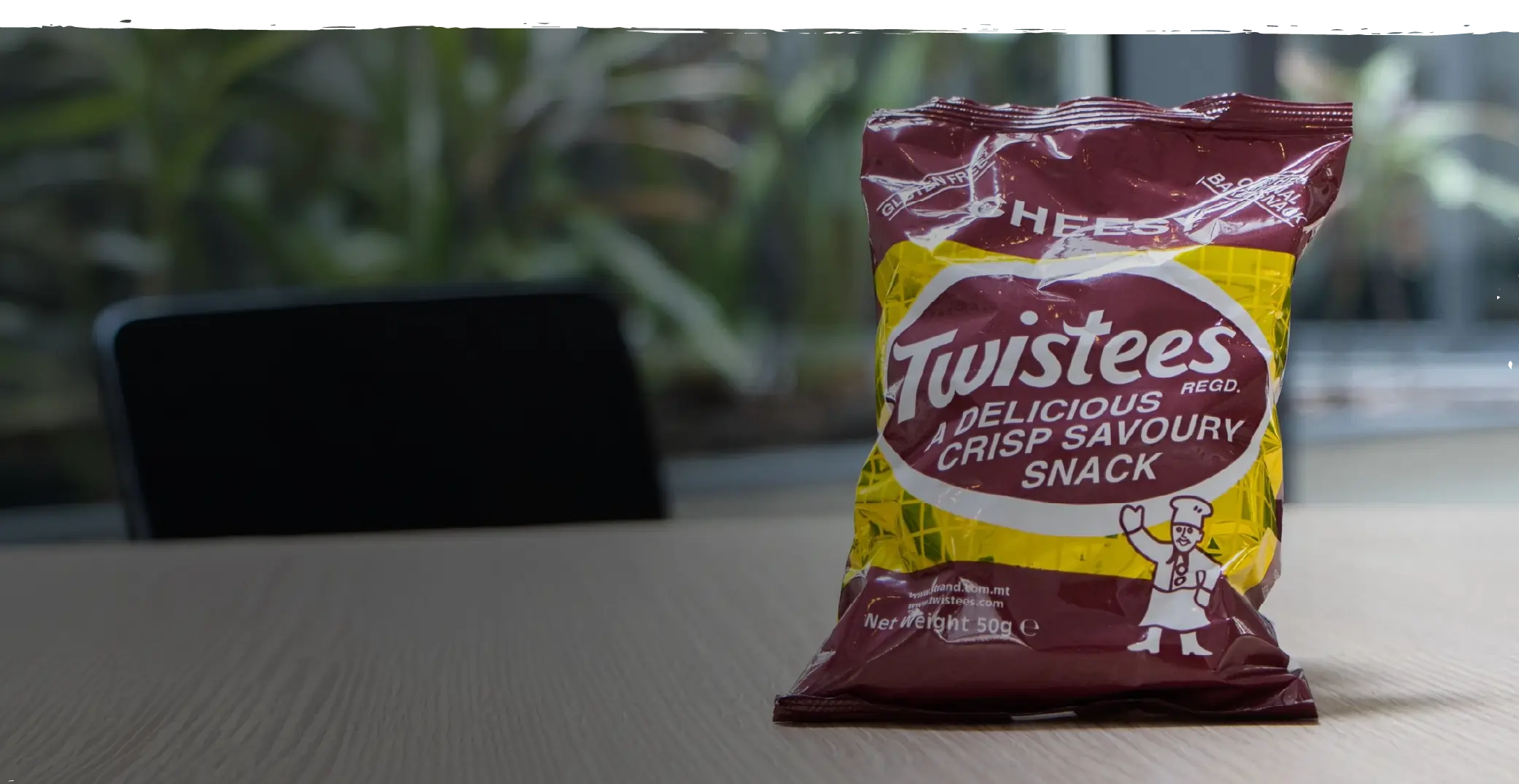
Malta's most beloved, iconic snack food is a bag of crunchy, baked rice-and-corn puffs coated in a distinctly savory, addictive cheese flavor that has fed generations of locals. They are the ultimate nostalgia trip and can be cheaply picked up at any local grocery store, gas station, mini-market, or major supermarket chain.
-
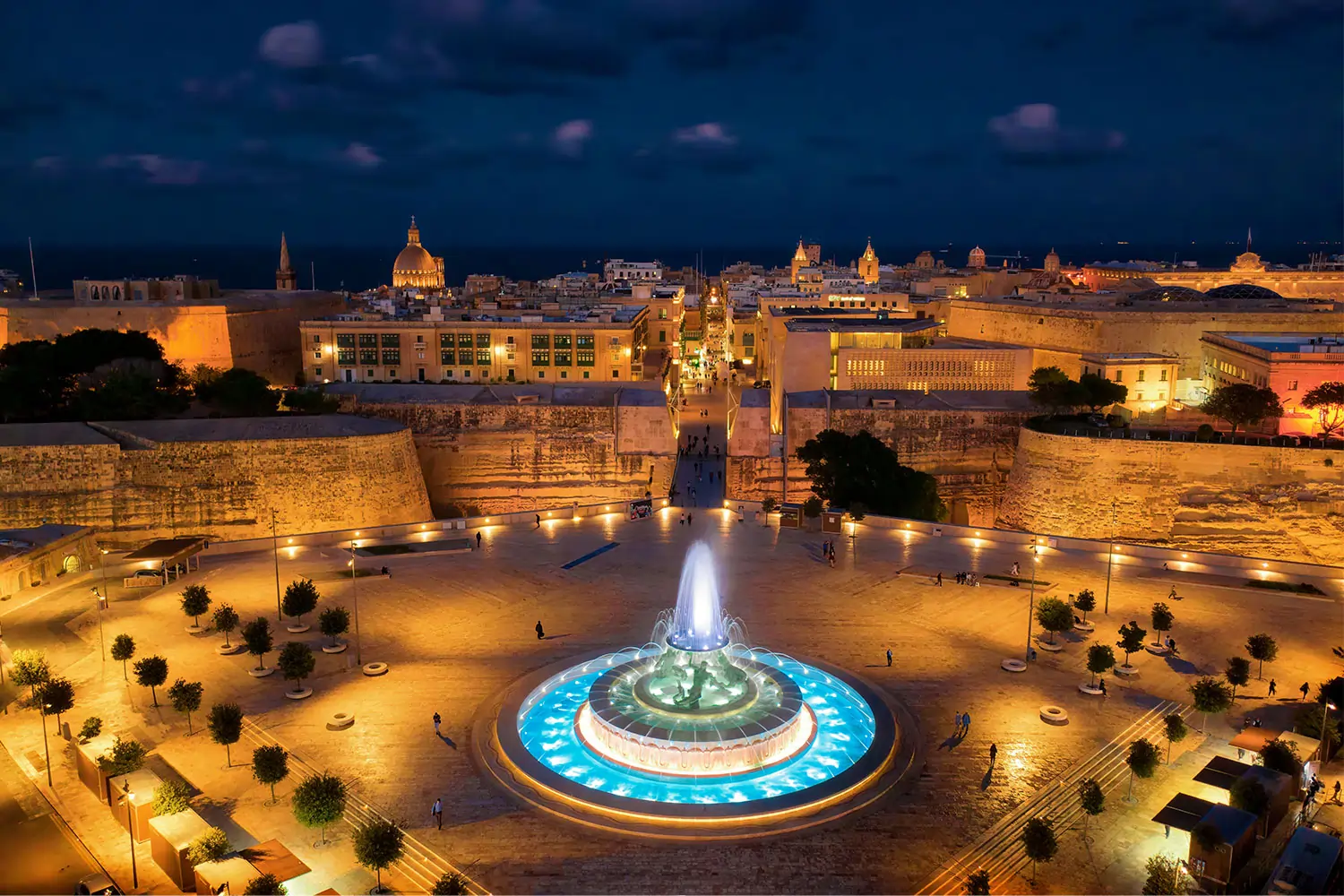
Valletta (The Capital)
Malta's fortified capital is a UNESCO World Heritage site filled with stunning Baroque architecture, steep gridded streets, and dramatic harbor views from the Upper Barrakka Gardens.
-
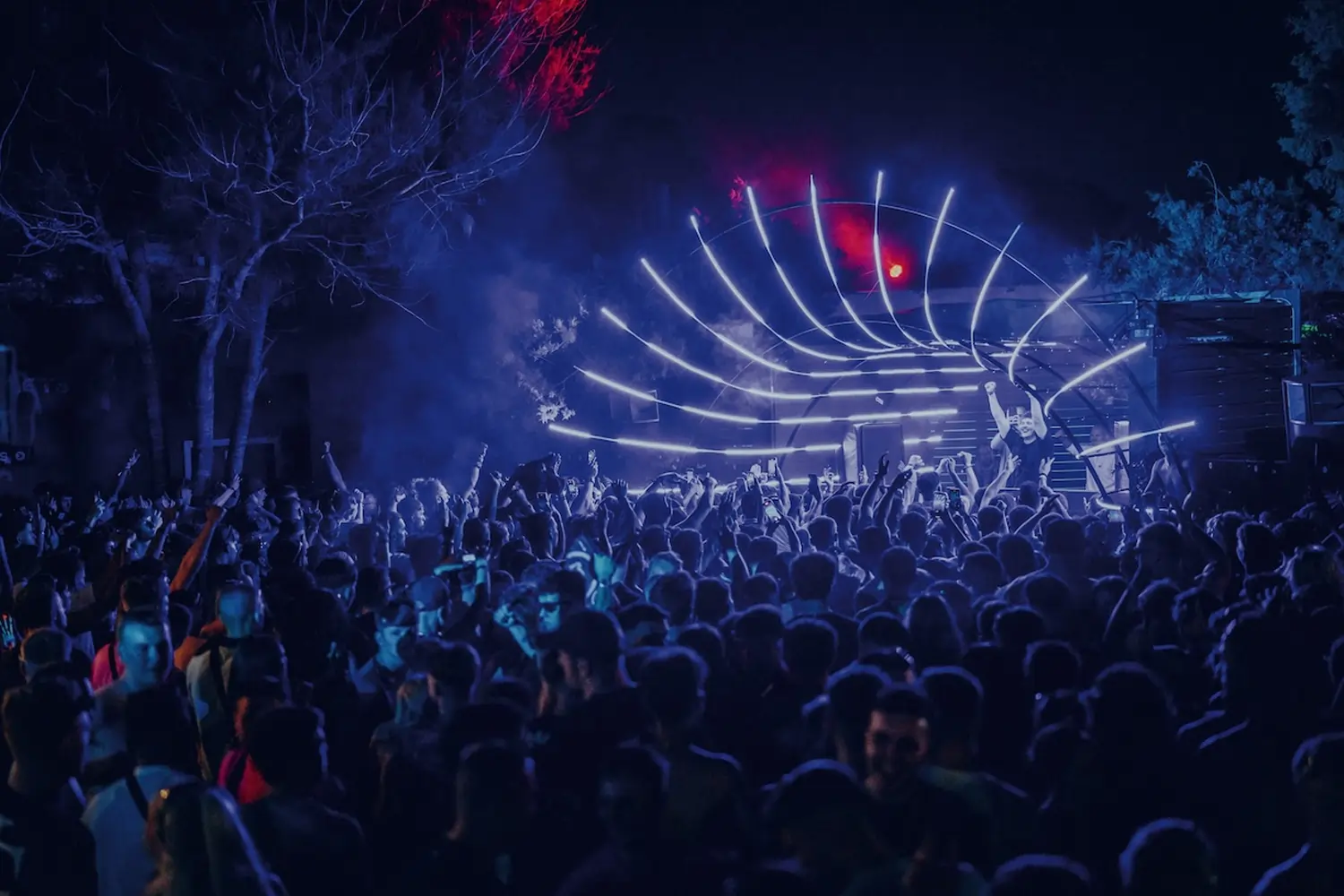
UNO Malta
Located right in the heart of Ta' Qali (incredibly close to the MFCC venue), UNO is an iconic open-air mega-club featuring a 5,000+ capacity main area surrounded by trees, offering unparalleled sound systems and a massive festival atmosphere.
-
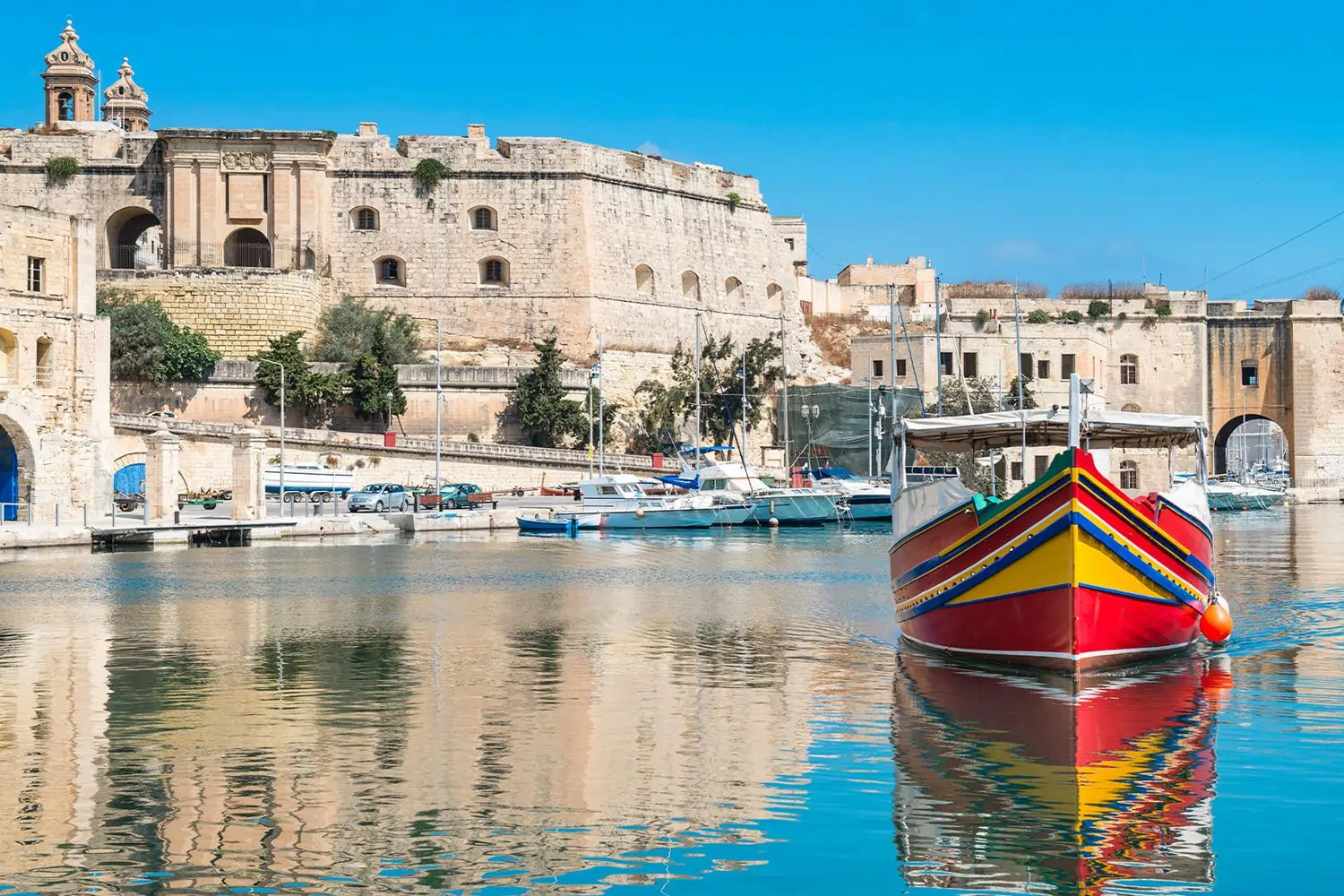
The Three Cities (Vittoriosa, Senglea & Cospicua)
Right across the Grand Harbour from Valletta lie these three older, fortified maritime towns. They offer an authentic look at local life, packed with deep history, yacht marinas, and massive bastions that pre-date the capital city.
-
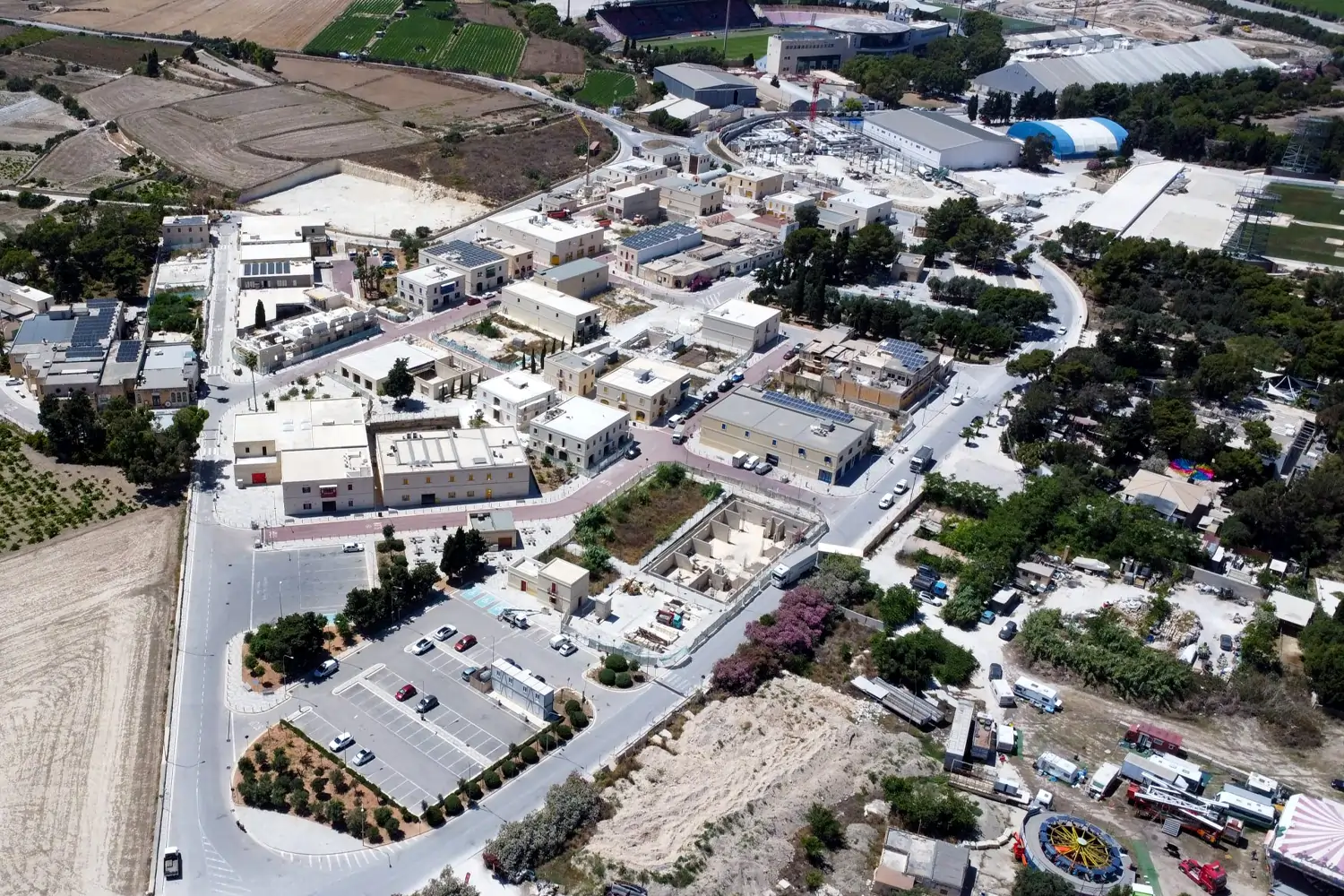
Ta’ Qali Artisan Village
If you want a break from the NAF World Cup action next door at the MFCC, this vibrant artisan village offers stunning, hand-crafted treasures and live workshops just a short stroll from the tournament pitches.
-
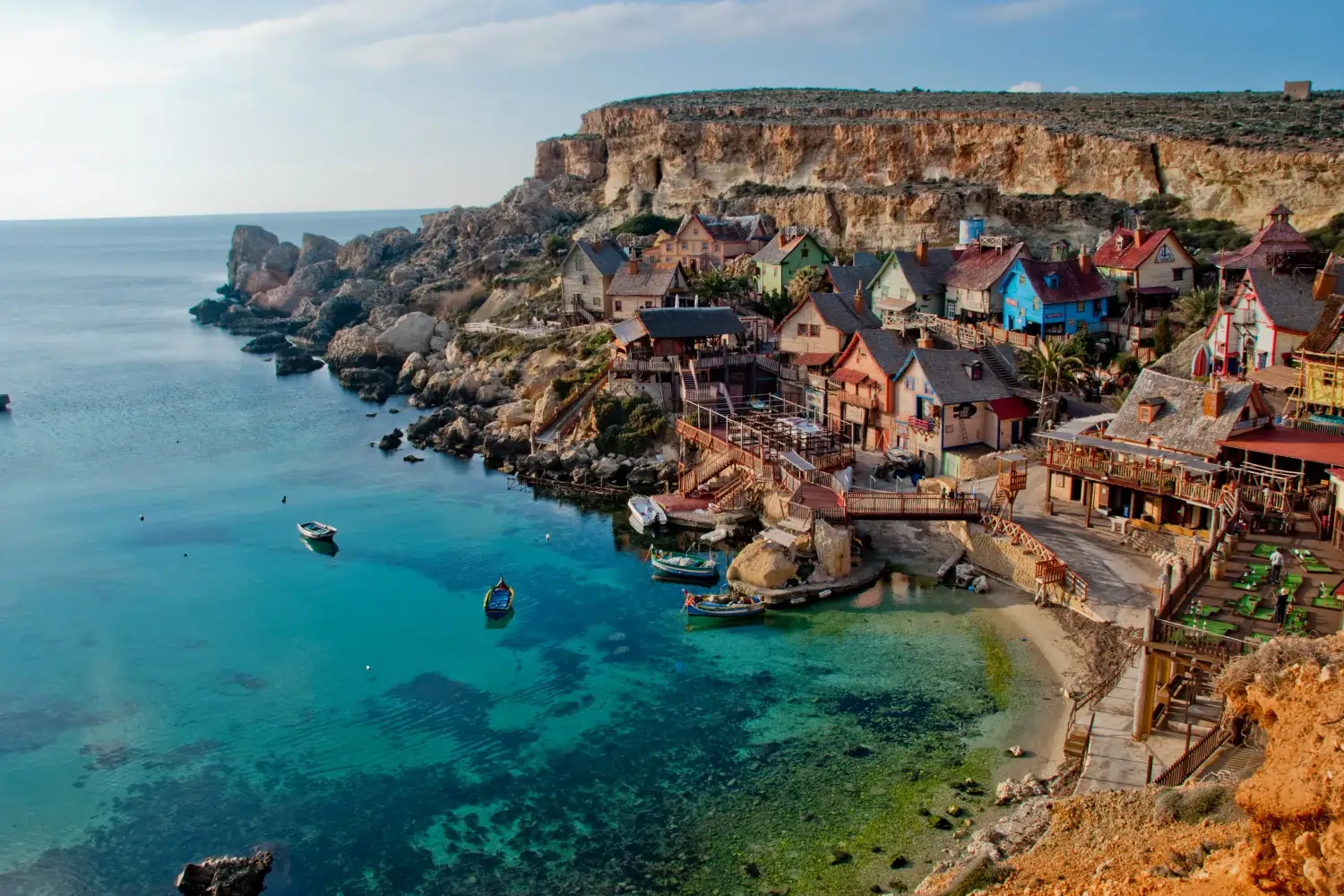
Popeye Village
Originally built as the 1980 Hollywood film set for the Popeye musical, this quirky wooden village is now an open-air seaside attraction tucked into a scenic cliffside bay. Visitors can tour the preserved movie sets, catch live animation shows, and enjoy swimming or boat trips in the clear waters below.
-
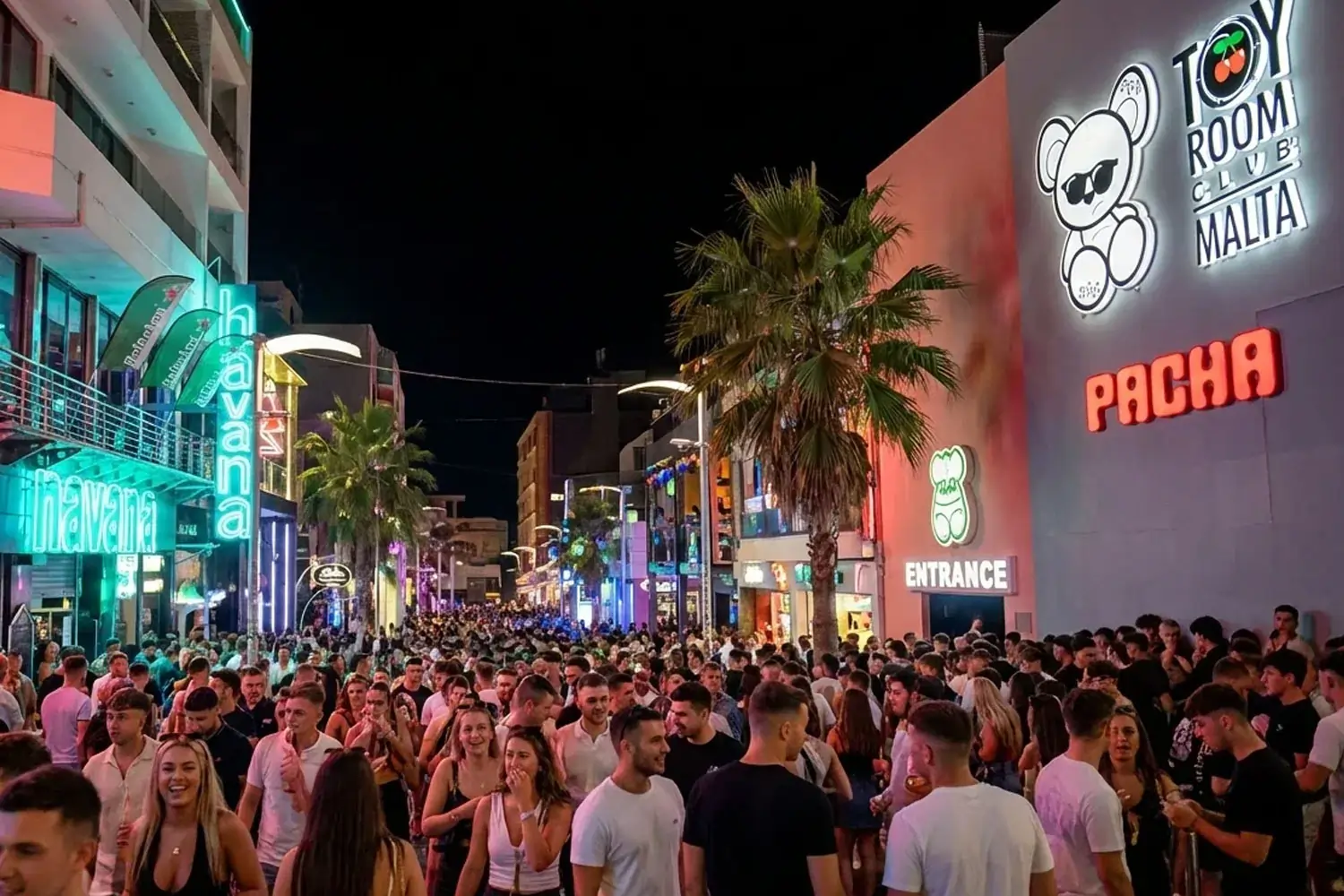
Paceville (The Nightlife Hub)
Located within St. Julian's, Paceville is the dense, neon-lit epicenter of Malta's street-level nightlife. It's packed wall-to-wall with free-entry bars, commercial clubs (like Toy Room and Havana), shisha lounges, and late-night eateries that keep going until 4:00 AM.
-
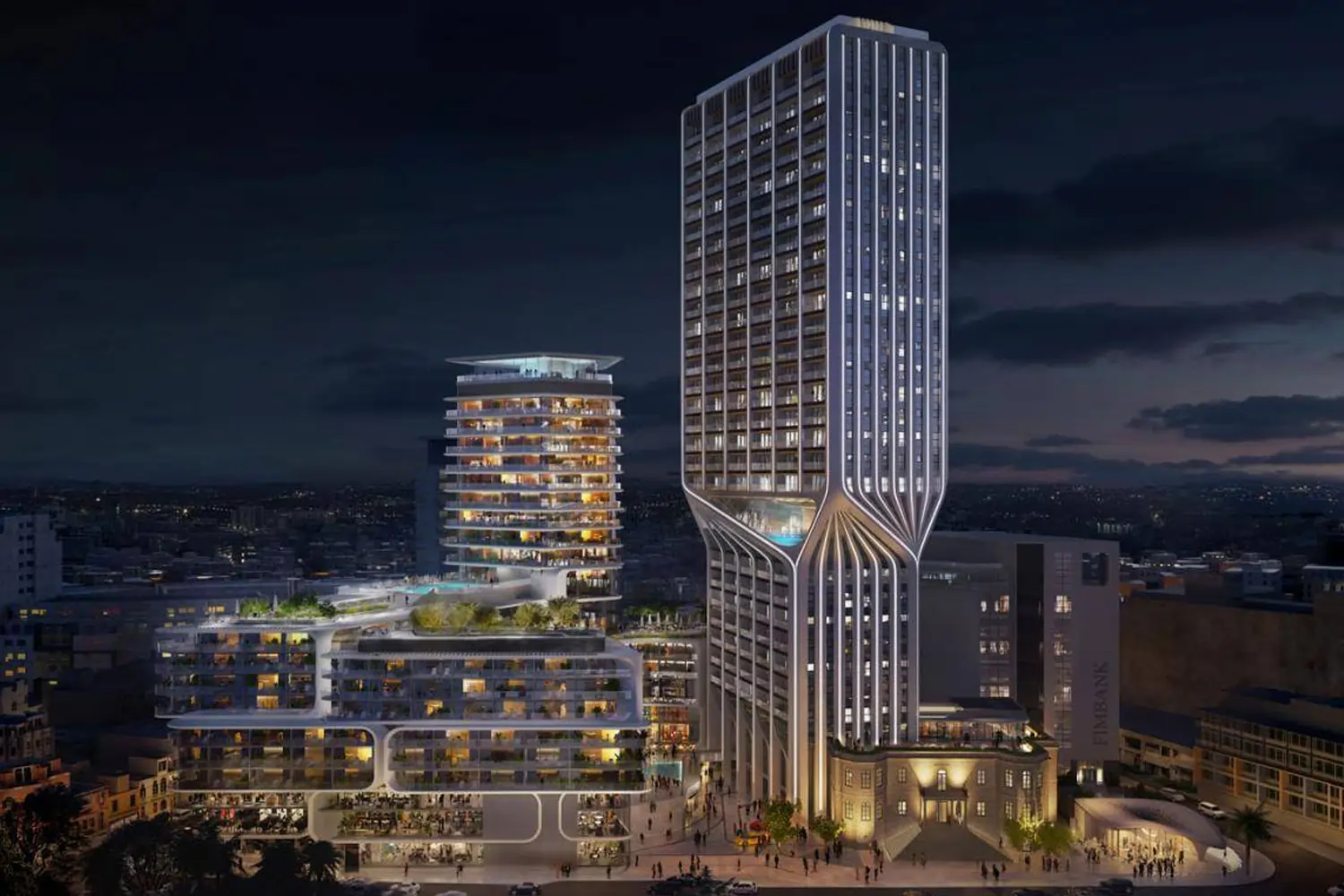
Mercury Towers
Malta’s newest architectural landmark designed by Zaha Hadid Architects. This massive, twisting skyscraper complex in St. Julian's is rapidly opening up luxury lifestyle spaces, including a curated design mall, high-end entertainment areas, and a massive rooftop pool experience.
-
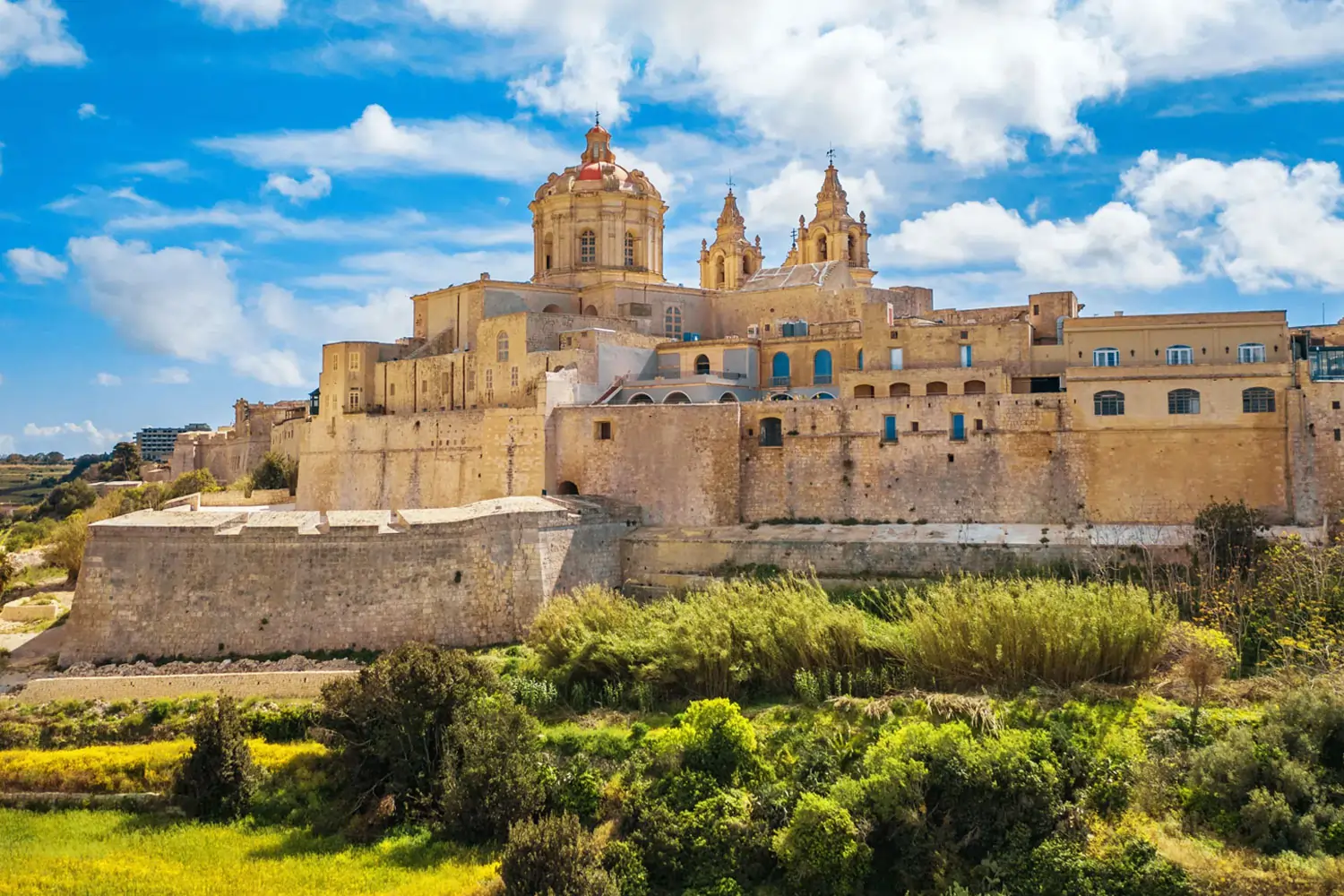
Mdina (The Silent City)
An ancient medieval walled city perched on a central hill. It features a labyrinth of quiet, car-free stone alleys, historic palaces, and beautiful panoramic lookouts across the island.
-
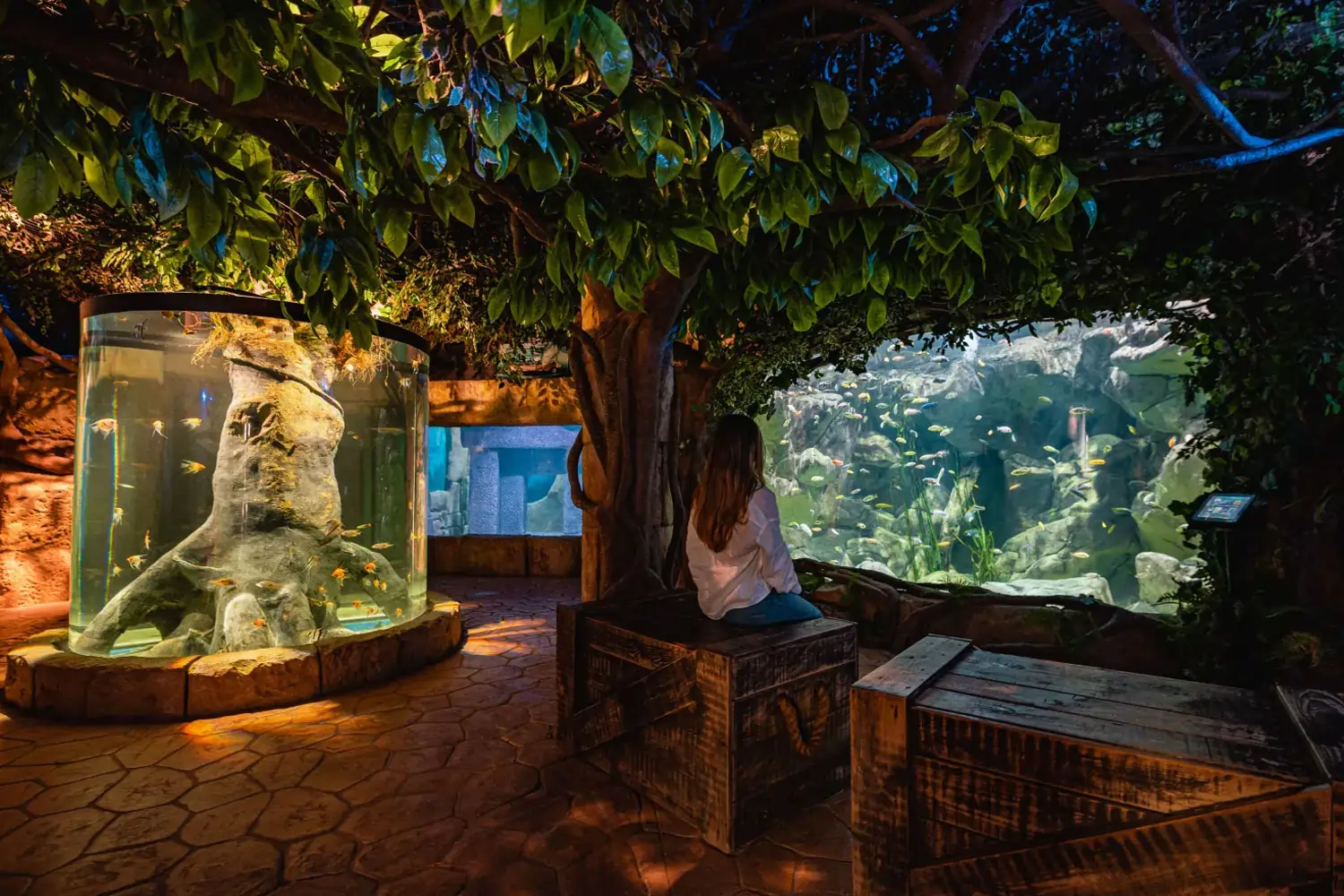
Malta National Aquarium
Located on the Qawra coastline, this modern facility showcases Mediterranean marine life across 26 themed tanks, highlighted by an immersive walk-through tunnel holding sharks and rays.
-
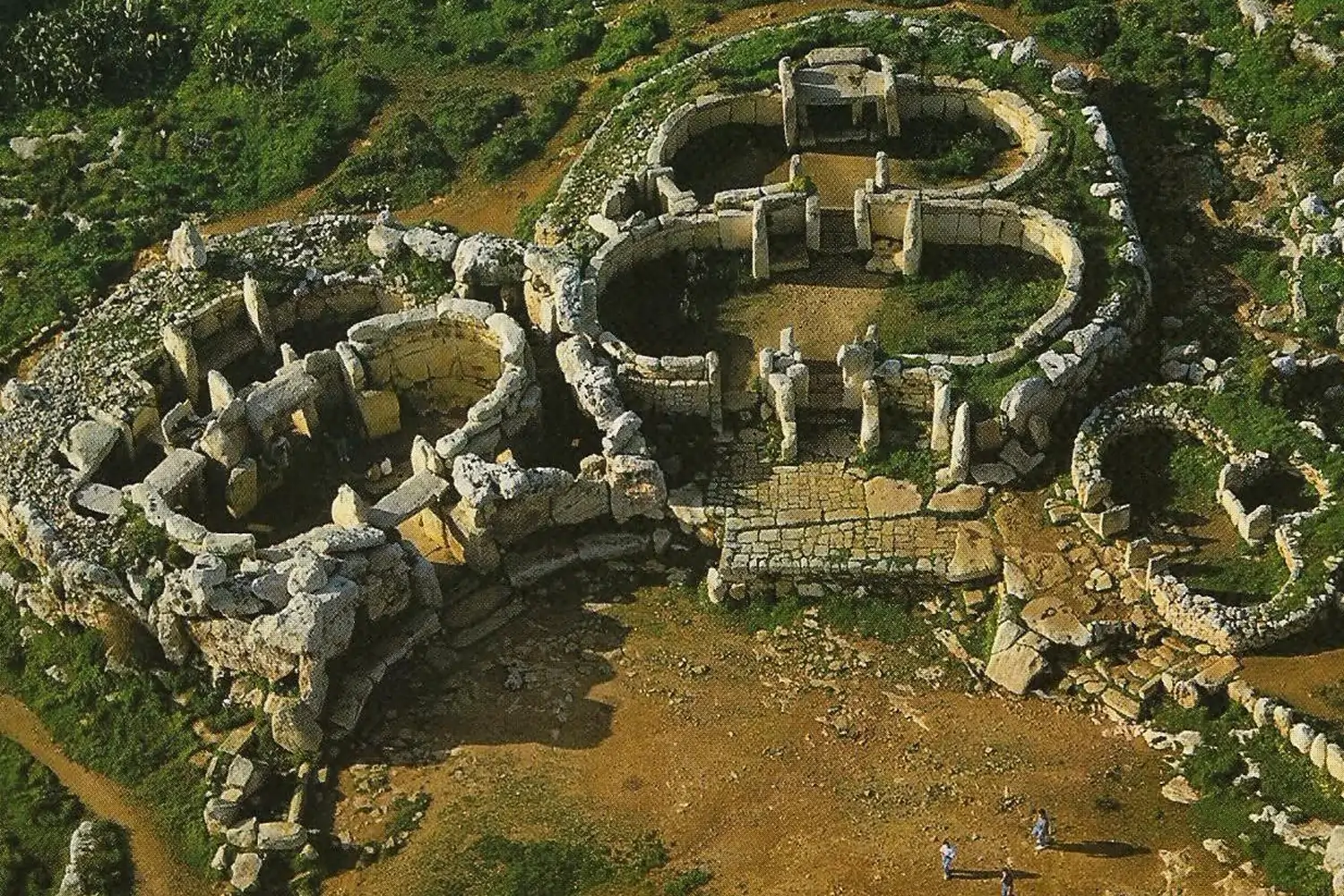
Ħaġar Qim & Mnajdra Temples
Perched on a rugged clifftop overlooking the sea and the islet of Filfla, these megalithic structures date back to 3600–3200 BC, making them significantly older than Stonehenge and the Egyptian Pyramids. A massive canopy protects the prehistoric stone architecture from weather erosion.
-
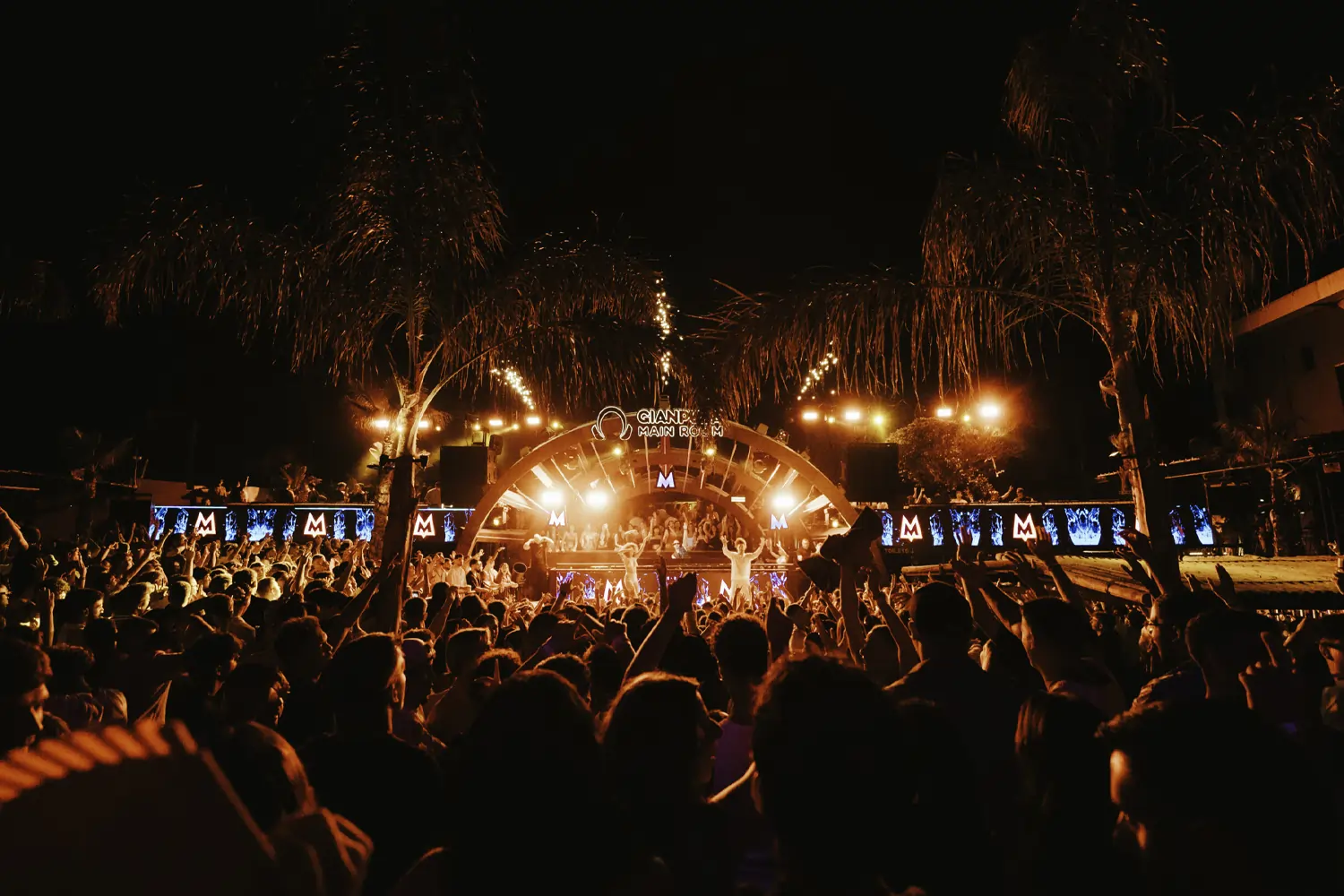
Gianpula Village
Situated in the countryside on the outskirts of Rabat (near Mdina), this is Malta’s premier multi-venue clubbing complex. It boasts multiple massive open-air dance floors, lounges, and secret gardens that regularly host top international DJs.
-
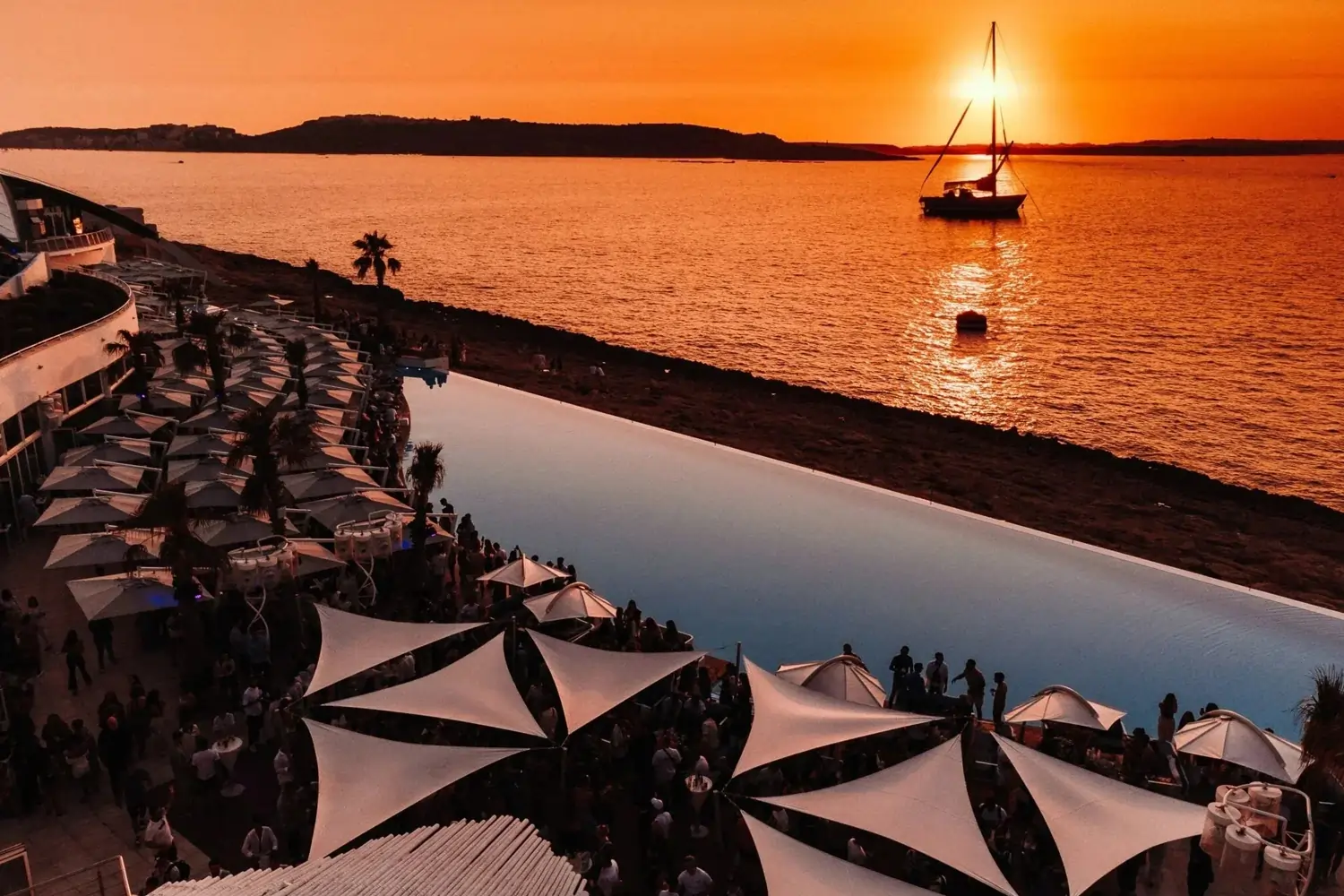
Café del Mar Malta
Built right next to the National Aquarium, this massive open-air beach club features a stunning infinity pool vanishing into the Mediterranean Sea. It is famous for its relaxed daytime sunbeds, cocktails, and legendary sunset pool parties.